Longevity
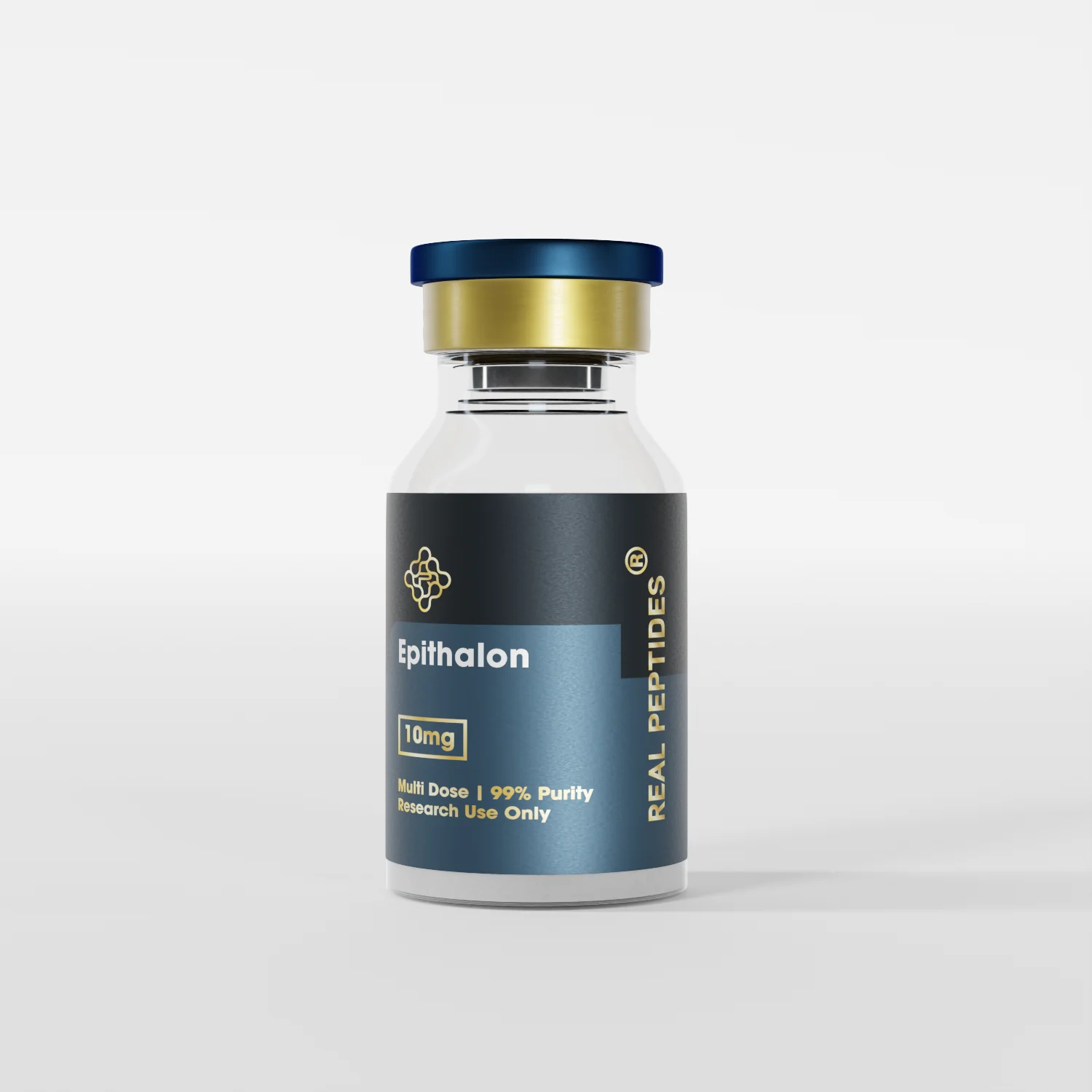
Epithalon side effects: why no reliable profile exists, what small studies recorded, the telomerase question and product-quality risks to check.

Most reported side effects are mild and temporary. Common reactions include flushing, nausea, headache and injection-site redness. If symptoms persist or worsen, stop use and consult a healthcare provider.
There have been no published human studies where epithalon was tested with regards to adverse events systematically. The evidence is made up of cell cultures, rodent studies, and some old studies from Russia in elderly people, whereas an FDA advisory panel voted 7-4 on 24th July, 2026 but still maintained its status as an unapproved medication.
Thus, when asked the question what are the possible side effects of epithalon, one could separate the two points: The first one concerns what was and what wasn’t reported in the few existing studies and the second one refers to possible risks associated with the very compound rather than the substance itself. The page has the description of both points provided. This is not a piece of medical information and it is recommended for a person having health issues to consult a specialist.
The side-effect profile is developed from high-quality studies that monitor all adverse outcomes in comparison with a placebo cohort. But Epithalon hasn't undergone this type of study, so no effective profile exists.
Early Russian human studies were not large and did not take the form of modern safety trials. When a study is not designed to find safety problems, the absence of reported safety problems does not provide any real insight. Rare events, long-term effects and the impact of other medicines would all go undetected in studies that were this small and of this kind.
Different study types provide differing views that only cover part of the story of safety. The table below summarizes what each type can and cannot show.
| Study type | What it can show | What it cannot show |
|---|---|---|
| Cell culture | Effects on cultured cells, such as telomerase activity | Anything about whole-body safety in people |
| Rodent studies | Obvious toxicity, lifespan and tumour counts in animals | How people would respond, or long-term human risk |
| Small Russian human studies | General observations in elderly groups | Rare or delayed adverse events, controlled comparisons |
Some rodent investigations have indicated lower incidence of tumors in treated animals. This is often mentioned as good news, however, it remains to be an animal study conducted by small groups. Therefore, it cannot be confirmed in controlled studies involving human beings.
The fundamental theoretical safety issue stems from the very mechanism that initially made epithalon intriguing. Laboratory research indicated that this compound can increase telomerase activity in laboratory-developed cells.
Telomerase lets cells keep dividing by maintaining the ends of their chromosomes. Many cancer cells rely on it. Researchers therefore raise the question of whether pushing telomerase up could, in some settings, help abnormal cells as well as normal ones. The animal tumour data point the other way, but no human study has been large or long enough to answer it. We cover the telomere studies in detail on our telomeres page.
Several practical risks exist regarding a research peptide indicating what's inside the vial. Research chemicals are not produced or inspected according to the guidelines that govern approved medications.
These are reasons to buy only from vendors that publish testing documents. Our buy epithalon page explains how to read a COA.
Safety is one of the factors considered by FDA's Pharmacy Compounding Advisory Committee when it evaluates a substance for inclusion in the 503A bulks list. The vote conducted in July 2026 regarding epitalon received a 7-4 recommendation from the members.
The vote is non-binding. FDA still has to decide and then go through proposed and final rulemaking with public comment, and as of the July meeting epithalon could not be compounded. A positive recommendation is not the same as a finding that the peptide is safe for any particular use. The full sequence is on our FDA 2026 page.
As a research-comparison website we can provide you with various specifications and regulations, but we cannot advise you on any health issues whatsoever. Simply put, available information related to epithalon side effects in humans is not sufficient due to lack of the necessary studies.
People interested in epithalon should contact a doctor familiar with their medical history first. Laboratory vendors should request a certificate of authenticity, follow instructions for storing the item, and keep records based on lot numbers.
There have been no published human studies where epithalon was tested with regards to adverse events systematically. The evidence is made up of cell cultures, rodent studies, and some old studies from Russia in elderly people, whereas an FDA advisory panel voted 7-4 on 24th July, 2026 but still maintained its status as an unapproved medication.
Thus, when asked the question what are the possible side effects of epithalon, one could separate the two points: The first one concerns what was and what wasn’t reported in the few existing studies and the second one refers to possible risks associated with the very compound rather than the substance itself. The page has the description of both points provided. This is not a piece of medical information and it is recommended for a person having health issues to consult a specialist.
The side-effect profile is developed from high-quality studies that monitor all adverse outcomes in comparison with a placebo cohort. But Epithalon hasn't undergone this type of study, so no effective profile exists.
Early Russian human studies were not large and did not take the form of modern safety trials. When a study is not designed to find safety problems, the absence of reported safety problems does not provide any real insight. Rare events, long-term effects and the impact of other medicines would all go undetected in studies that were this small and of this kind.
Different study types provide differing views that only cover part of the story of safety. The table below summarizes what each type can and cannot show.
| Study type | What it can show | What it cannot show |
|---|---|---|
| Cell culture | Effects on cultured cells, such as telomerase activity | Anything about whole-body safety in people |
| Rodent studies | Obvious toxicity, lifespan and tumour counts in animals | How people would respond, or long-term human risk |
| Small Russian human studies | General observations in elderly groups | Rare or delayed adverse events, controlled comparisons |
Some rodent investigations have indicated lower incidence of tumors in treated animals. This is often mentioned as good news, however, it remains to be an animal study conducted by small groups. Therefore, it cannot be confirmed in controlled studies involving human beings.
The fundamental theoretical safety issue stems from the very mechanism that initially made epithalon intriguing. Laboratory research indicated that this compound can increase telomerase activity in laboratory-developed cells.
Telomerase lets cells keep dividing by maintaining the ends of their chromosomes. Many cancer cells rely on it. Researchers therefore raise the question of whether pushing telomerase up could, in some settings, help abnormal cells as well as normal ones. The animal tumour data point the other way, but no human study has been large or long enough to answer it. We cover the telomere studies in detail on our telomeres page.
Several practical risks exist regarding a research peptide indicating what's inside the vial. Research chemicals are not produced or inspected according to the guidelines that govern approved medications.
These are reasons to buy only from vendors that publish testing documents. Our buy epithalon page explains how to read a COA.