Longevity
Epithalon FDA status in 2026: the 7-4 compounding panel vote on 24 July, what the 503A bulks list means, what has not happened and the August letters.
On 24 July 2026 FDA's Pharmacy Compounding Advisory Committee voted 7-4 to recommend adding epitalon, also spelled epithalon, to the 503A bulks list. It was one of six peptides recommended over two days. The vote is the biggest epithalon FDA development in years, and it is also widely misread: it did not approve the peptide, and it did not allow pharmacies to compound it.
The epithalon FDA guide explains what was approved, what the FDA's subsequent actions would entail and what has not taken place yet. And then the guide analyzes the pieces of the August 2026 warning letters to peptide vendors. We follow FDA news since it influences research vendors' activities.
The committee voted 7 in favour and 4 against recommending epitalon for the 503A bulks list. That was the second day of a two-day meeting.
in comparison with the other peptides that qualified, it was among the narrower margins in absolute figures, and four committee members were not convinced. The committee is advisory in nature. Its function is to provide the FDA with expert information regarding the availability of the chemical compound to compounding pharmacies, taking into account factors such as safety information, the extent of its use, and clinical necessity.
Six peptides were recommended across 23 and 24 July, and one was rejected. Here is the full result as reported.
| Substance | Date | Result |
|---|---|---|
| BPC-157 | 23 July | Recommended, 8-6, 1 abstention |
| TB-500 | 23 July | Recommended, 8-6, 1 abstention |
| KPV | 23 July | Recommended, 8-6, 1 abstention |
| MOTS-c | 23 July | Recommended, 8-6, 1 abstention |
| Epitalon / epithalon | 24 July | Recommended, 7-4 |
| Semax | 24 July | Recommended, 8-5 |
| Emideltide | 24 July | Not recommended |
GHK-Cu, Melanotan II, LL-37, dihexa and PEG-MGF were not voted on and are scheduled for committee review before February 2027. MOTS-c, which often appears next to epithalon in longevity comparisons, passed the day before. We compare the two on our anti-aging peptides page.
The 503A bulks list is the list of bulk drug substances that state-licensed compounding pharmacies may use to prepare medicines for individual patients with a prescription. Being on it is not the same as FDA approval.
If epithalon were to be permitted, it could be compounded by a licensed pharmacy specifically for an individual patient under orders issued by a prescriber. Even so, it wouldn't be an FDA-approved medication nor would it have been the subject of any of the required human clinical trials for approval. Additionally, it would continue to be the prescriber, and not a website, who would ultimately decide on its appropriate usage.
As of the meeting that took place in July, epithalon is still not listed as a medication, and pharmacies are not allowed to compound it either. In any case, the vote by the committee does not carry any legal weight.
In order for the recommendation to be effective, the FDA must make its decision, issue a proposed rule, solicit public comments, and then publish the final rule. Each step takes time and the FDA can also disregard the committee’s recommendation. Reports in late October 2026 report on a draft published by HHS to relax enforcement of six compounded peptides. As it is only a draft, it should not be considered as a change of the regulations until the final document is published.
On 24 August 2026, a month later after the voting, five peptide vendors came under the FDA's warning letter as they were selling unauthorized drugs. Epithalon is not one of the products mentioned in the letters.
The letters still matter for anyone selling or buying epithalon, because of how FDA reasoned. It said a "research use only" label does not decide whether a product is a drug. It looked at whole websites and treated disease claims, dosing guidance, reconstitution calculators and bacteriostatic water sold alongside injectables as evidence the products were meant for people. That is why we publish no doses (see our epithalon dosage page) and why vendor pages that do are a risk worth noticing.
Three things will tell you whether the regulatory status of epithalon is actually changing:
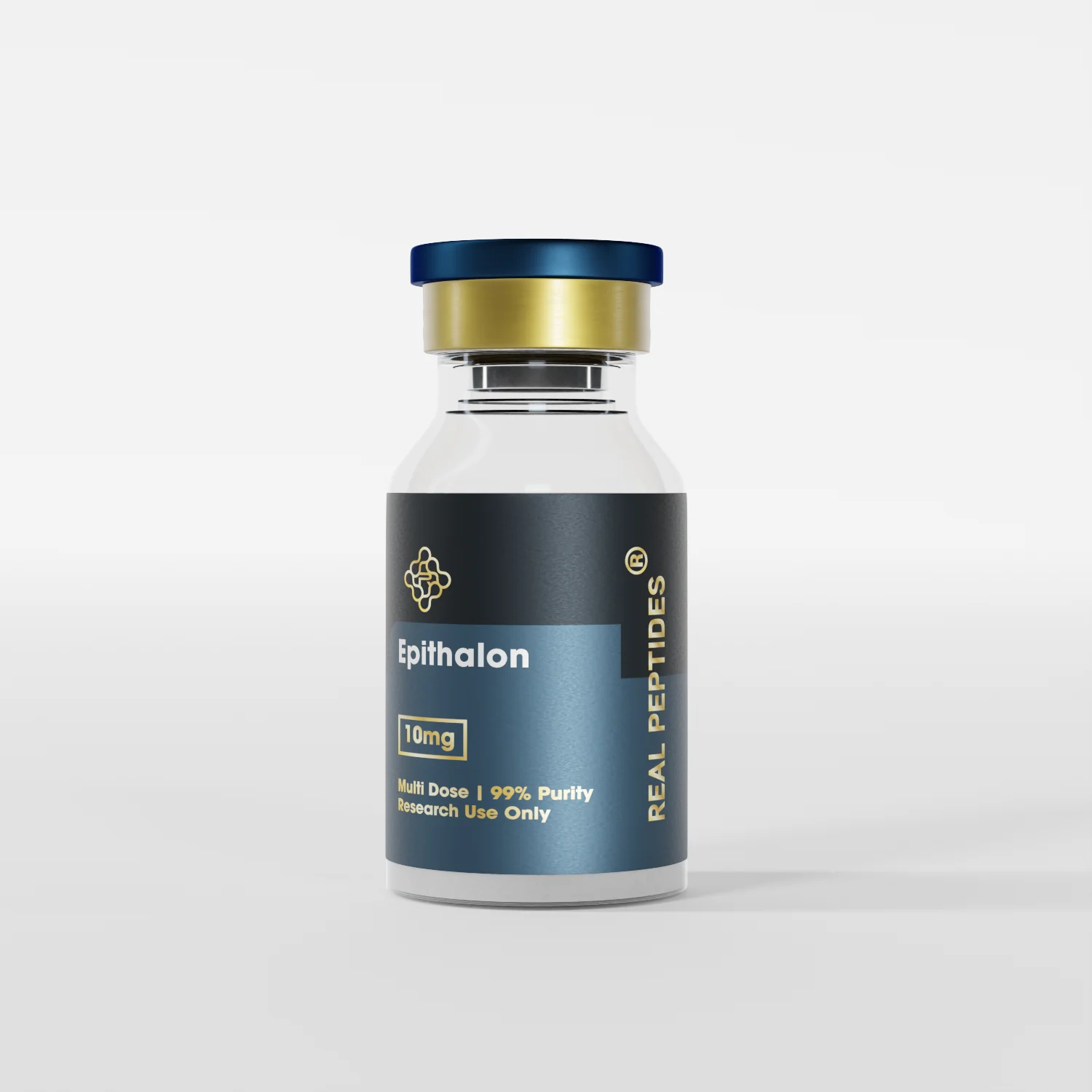
Until then, the epithalon FDA position is the same as before the vote: epithalon is unapproved, research vendors sell it for research use only, and it is not available as a compounded prescription. Research listings, such as Real Peptides' 10 mg vial at $24.00, are compared on our vendor page.
On 24 July 2026 FDA's Pharmacy Compounding Advisory Committee voted 7-4 to recommend adding epitalon, also spelled epithalon, to the 503A bulks list. It was one of six peptides recommended over two days. The vote is the biggest epithalon FDA development in years, and it is also widely misread: it did not approve the peptide, and it did not allow pharmacies to compound it.
The epithalon FDA guide explains what was approved, what the FDA's subsequent actions would entail and what has not taken place yet. And then the guide analyzes the pieces of the August 2026 warning letters to peptide vendors. We follow FDA news since it influences research vendors' activities.
The committee voted 7 in favour and 4 against recommending epitalon for the 503A bulks list. That was the second day of a two-day meeting.
in comparison with the other peptides that qualified, it was among the narrower margins in absolute figures, and four committee members were not convinced. The committee is advisory in nature. Its function is to provide the FDA with expert information regarding the availability of the chemical compound to compounding pharmacies, taking into account factors such as safety information, the extent of its use, and clinical necessity.
Six peptides were recommended across 23 and 24 July, and one was rejected. Here is the full result as reported.
| Substance | Date | Result |
|---|---|---|
| BPC-157 | 23 July | Recommended, 8-6, 1 abstention |
| TB-500 | 23 July | Recommended, 8-6, 1 abstention |
| KPV | 23 July | Recommended, 8-6, 1 abstention |
| MOTS-c | 23 July | Recommended, 8-6, 1 abstention |
| Epitalon / epithalon | 24 July | Recommended, 7-4 |
| Semax | 24 July | Recommended, 8-5 |
| Emideltide | 24 July | Not recommended |
GHK-Cu, Melanotan II, LL-37, dihexa and PEG-MGF were not voted on and are scheduled for committee review before February 2027. MOTS-c, which often appears next to epithalon in longevity comparisons, passed the day before. We compare the two on our anti-aging peptides page.
The 503A bulks list is the list of bulk drug substances that state-licensed compounding pharmacies may use to prepare medicines for individual patients with a prescription. Being on it is not the same as FDA approval.
If epithalon were to be permitted, it could be compounded by a licensed pharmacy specifically for an individual patient under orders issued by a prescriber. Even so, it wouldn't be an FDA-approved medication nor would it have been the subject of any of the required human clinical trials for approval. Additionally, it would continue to be the prescriber, and not a website, who would ultimately decide on its appropriate usage.
As of the meeting that took place in July, epithalon is still not listed as a medication, and pharmacies are not allowed to compound it either. In any case, the vote by the committee does not carry any legal weight.
In order for the recommendation to be effective, the FDA must make its decision, issue a proposed rule, solicit public comments, and then publish the final rule. Each step takes time and the FDA can also disregard the committee’s recommendation. Reports in late October 2026 report on a draft published by HHS to relax enforcement of six compounded peptides. As it is only a draft, it should not be considered as a change of the regulations until the final document is published.